Why an Autoclave Shredder Is the Future of Medical Waste Treatment
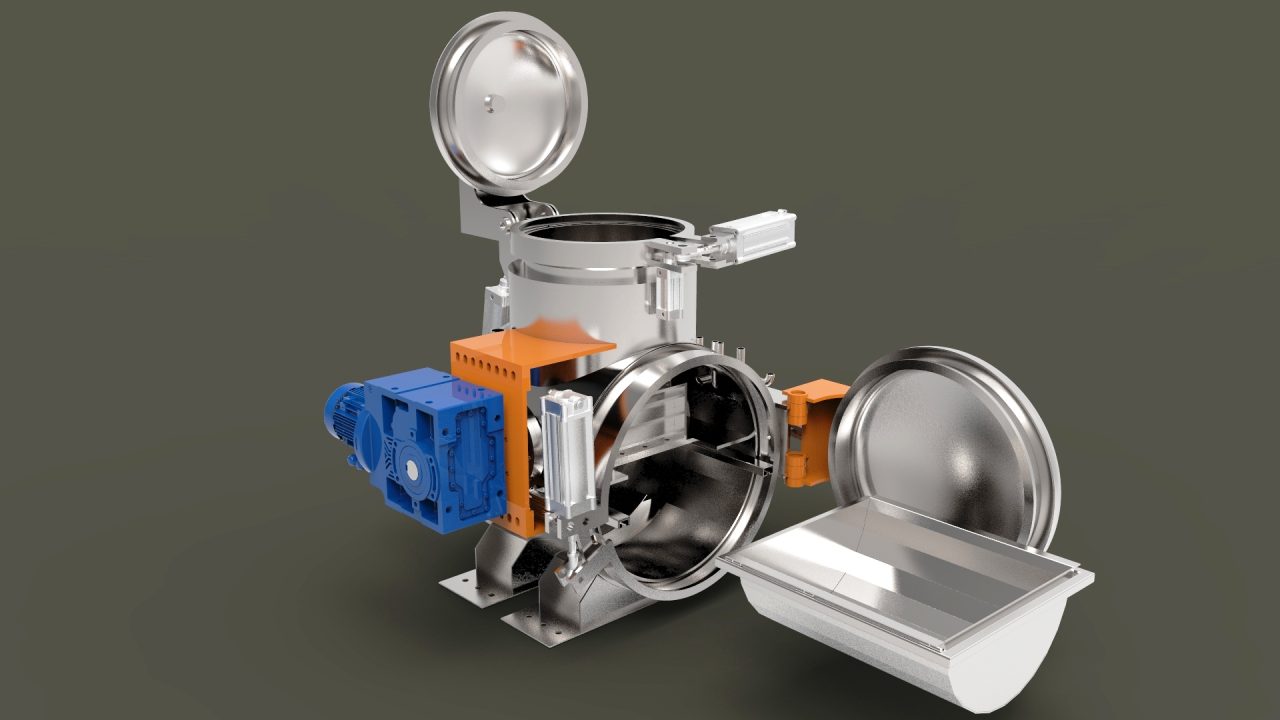
Created using Luxion Technology (luxion.com)
Healthcare is changing fast. Hospitals are adopting digital records, robotic surgery, and AI-assisted diagnostics. Yet, in many places, the way infectious medical waste is treated still looks like something from decades ago: heavy trucks hauling untreated waste to incinerators on the outskirts of the city. As environmental standards tighten and communities demand cleaner solutions, more facilities are looking for an autoclave shredder system as a modern alternative.
Medico Technical Environmental Technologies reflects this shift in mindset. Under the guiding slogan “Smart Systems. Safe Waste. Sustainable World.”, the company focuses on integrating advanced engineering with practical hospital needs, helping healthcare providers upgrade their waste treatment infrastructure without disrupting daily operations.
What exactly is an autoclave shredder?
An autoclave shredder is a type of integrated medical waste treatment system that combines:
- Shredding – cutting waste into smaller, more uniform pieces
- Autoclaving – sterilizing the shredded waste with high-pressure steam
The result is a non-infectious, confetti-like material that can often be handled similarly to ordinary municipal waste, depending on local regulations. This approach contrasts with traditional standalone autoclaves, which sterilize but do not reduce volume or destroy the physical form of items such as needles and sharp instruments.
In an autoclave shredder system, the workflow is usually:
- Medical staff place segregated waste into collection containers
- The containers are transported to the treatment area
- Waste is loaded into the system
- Shredding occurs either before or after the main autoclave cycle, depending on the design
- Sterilized, shredded waste is discharged into bins for compacting and final disposal
Why combine shredding and autoclaving?
Separately, shredding and autoclaving are both valuable processes. Together, they create a powerful, synergistic effect:
- Improved sterilization: Shredding exposes a larger surface area of the waste, allowing steam to penetrate more completely and inactivate pathogens more reliably.
- Volume reduction: Shredded waste takes up much less space than intact bags and containers, decreasing storage and transport requirements.
- Security and privacy: Shredding ensures that items such as labels, patient information, and recognizable medical disposables cannot be recovered from the waste stream.
- Visual confirmation: Once waste emerges as uniform fragments, it is visually clear that it has been treated.
This integrated process aligns well with a hospital’s broader goals of reducing risk, simplifying logistics, and demonstrating environmental responsibility.
The environmental advantage over incineration
Incineration has long been used as a “one size fits all” solution to medical waste. However, burning waste comes with challenges:
- Strict emission controls are needed to prevent harmful pollutants
- Public opposition can delay or block new incinerator projects
- Operating costs can be high, especially for wet waste
An autoclave shredder provides a non-incineration method of treating infectious waste. By relying on steam and pressure instead of combustion, it avoids many of the toxic emissions associated with incinerators. For hospitals adopting green strategies or aiming for certifications related to sustainability, this makes a big difference.
Moreover, autoclave systems can often be installed on-site, reducing the need to transport untreated waste over long distances. Fewer transport miles mean fewer emissions, less noise, and lower risk of accidents involving infectious materials.
Supporting safer working conditions
Healthcare workers and waste handlers are exposed to hazards every day. Needlestick injuries, splashes, and accidental contact with infectious materials are constant concerns. An autoclave shredder helps mitigate these risks by:
- Treating waste closer to the point of generation
- Automating many steps of the handling process
- Destroying sharps and breaking containers that could cause injury
When staff see that management is investing in modern, safe technologies, it also sends a powerful message: their safety matters. This can improve morale and support a culture of compliance with waste segregation and handling procedures.
How an autoclave shredder fits into hospital workflows
Every hospital has its own layout and logistics. For a new waste treatment system to succeed, it must fit smoothly into existing processes. A well-planned implementation with Medico Technical Environmental Technologies typically considers:
- Location: The treatment room should be accessible from main waste collection routes without passing through public areas.
- Capacity planning: The system must handle daily volumes and be able to cope with peak loads after major surgeries or outbreak situations.
- Staffing: Operators should be trained to run the system efficiently, with clear responsibilities for routine maintenance and record-keeping.
- Compliance documentation: The system should provide data for internal audits and external inspections, such as temperature logs and cycle summaries.
The goal is to make the autoclave shredder a background hero: always present, always reliable, but never getting in the way of clinical work.
Smart features that make a real difference
Modern autoclave shredder systems do more than just heat and cut waste. They can incorporate smart technologies that make operations smoother, such as:
- Programmable cycles tailored to different types of loads
- Digital control panels with intuitive icons and multilingual menus
- Safety interlocks that prevent the system from operating if doors are open or parameters are out of range
- Data logging for quality control and accreditation requirements
These features are especially valuable in large healthcare networks, where consistent performance across multiple sites is essential.
Financial considerations and long-term savings
At first glance, an autoclave shredder might seem like a significant capital investment. However, when viewed over its service life, it can deliver substantial cost savings:
- Reduced reliance on external hazardous waste treatment contractors
- Lower transportation costs due to on-site treatment and smaller waste volume
- Avoidance of fines or penalties for non-compliance with regulations
- Potential integration into hospital energy optimization strategies
By working with a specialist partner like Medico Technical Environmental Technologies, hospitals can analyze these factors in detail, building a business case that includes not only direct operating costs but also risk reduction and brand value.
Aligning with a sustainable healthcare vision
Healthcare’s mission is to heal, but the sector’s environmental footprint is significant. Fossil-fuel-intensive processes, high energy use, and waste generation contribute to global challenges such as climate change and pollution. Technologies like autoclave shredder systems help shift the narrative.
When a hospital chooses a solution based on the principles of “Smart Systems. Safe Waste. Sustainable World.”, it signals a broader commitment to sustainability. This can form part of public reports, sustainability roadmaps, and stakeholder communication, demonstrating that the organization takes its environmental responsibilities seriously.
Conclusion
Infectious medical waste will always be part of healthcare, but how we treat it is evolving. Moving from traditional incineration and manual handling to advanced autoclave shredder systems is a decisive step toward safer, cleaner, and more efficient operations.
By integrating shredding and sterilization in a single, intelligent process, hospitals can protect workers, comply with regulations, and reduce their environmental impact—all while maintaining the highest standards of patient care. For healthcare leaders looking ahead, this is not just a technical upgrade; it’s an investment in the future of sustainable medicine.